


Description
For Numato Products Price details/ quotation please mail your requirements on dolphinlabs17@gmail.com
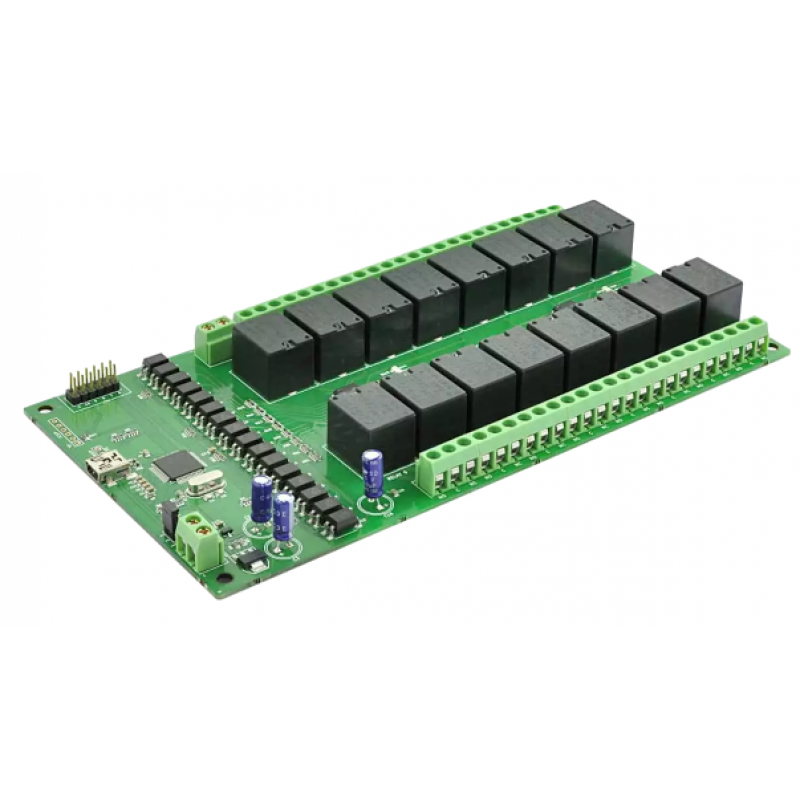
Numato Lab’s 16 Channel WiFi Relay Module is a versatile product for controlling electrical and electronic devices remotely from any desktop or mobile device through WiFi. This module comes with low power, 2.4 GHz, IEEE 802.11-compliant MRF24WG0MA WiFi radio transceiver module. It has an integrated PCB antenna. Ease of use and wider operating system compatibility are the primary goals behind this product’s design. This product allows the use of off-the-shelf Terminal Emulation programs such as Hyper Terminal and TeraTerm for controlling GPIOs with a simple set of human-readable commands through Telnet or through easy to use Web interface. For power users, this module can be controlled by writing programs in various programming languages.
Features
- 8 Analog Inputs that support 0V – 3.3V input scale with 10bit resolution (multiplexed with digital IOs).
- 16 SPDT Relays with individual LEDs for status.
- Unique MAC address.
- Serial: FT234XD USB to serial UART interface for WiFi Configuration Settings and firmware upload.
- LED indication for Power and Configuration.
- Password-protected Web console, Telnet and UART communication interface.
- Individual DIP switch channels for Firmware upload, WiFi configuration, Factory reset, and Network Reset
Applications
- Home Automation
- Industrial Automation
- Lighting Control
- Garden Equipment Control
- Consumer Electronics
- Remote Device Management
- Test Fixtures
- DIY and Hobby
-
-
-
For Numato Products Price details/ quotation please mail your requirements on dolphinlabs17@gmail.com
₹8,785.00 -
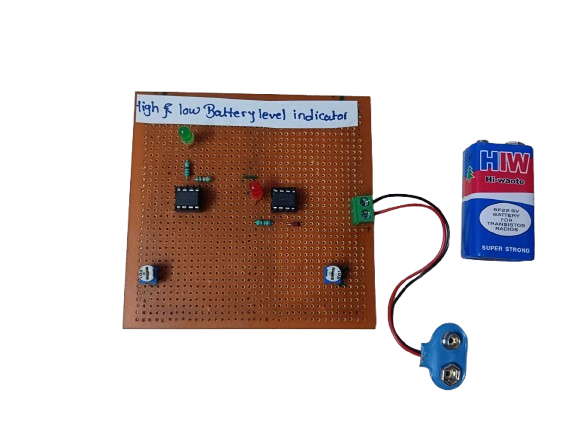
A Battery High-Low Monitor is an electronic circuit or device that detects and indicates the voltage level of a battery — whether it’s too high (overcharged), normal, or too low (discharged). It helps protect batteries from overcharging or deep discharge, which can damage the battery or reduce its lifespan.
These monitors often use comparators, voltage dividers, LED indicators, or microcontrollers to track and display battery status in real time.
₹225.00 -
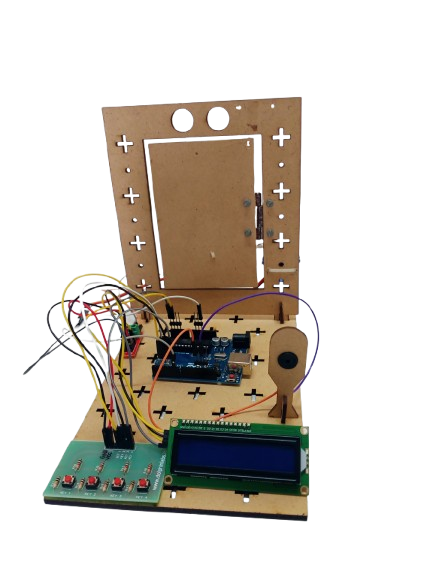
A Digital Lock System is an electronic security project designed to control access using a password entered via a keypad. It utilizes an Arduino, keypad, LCD, servo motor, and buzzer to provide a safe, automated locking mechanism. When the correct password is entered, the lock opens; if the wrong password is entered, an alert is triggered. This project is widely used in home security, lockers, safes, and access-controlled systems.
-
 ₹3,245.00
Related products
-
 ₹25,245.00
 -

For quotation / Price Please send requirements on dolphinlabs17@gmail.com
₹43,499.00 -
 ₹7,321.00
 -
For Numato Products Price details/ quotation please mail your requirements on dolphinlabs17@gmail.com
₹4,245.00 -
-
 ₹4,745.00

