
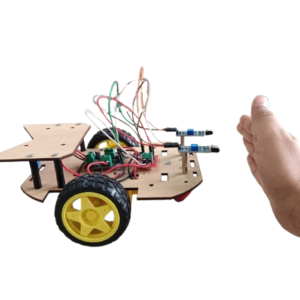
Object Avoidance Robot
₹1,250.00
In StockAn object-avoidance robot is a type of autonomous robot designed to detect and avoid obstacles.
Description
An object-avoidance robot is a type of autonomous robot designed to detect and avoid obstacles . Using sensors robot scans its surroundings and adjusts its movement to prevent collisions. If an obstacle is detected, it changes direction, stops, or takes an alternate path to navigate safely. This functionality makes object-avoidance robots ideal for applications where precise movement is essential, such as in warehouses, autonomous vehicles, or home cleaning devices. Their ability to operate independently and safely around obstacles enhances efficiency and reduces the risk of damage.
Here are some applications of object-avoidance robots:
- Autonomous Vehicles: Self-driving cars use object-avoidance technology to detect and avoid obstacles like pedestrians, other vehicles, or road debris while navigating.
- Warehouse Automation: Robots in warehouses use object-avoidance systems to navigate around shelves, workers, and other obstacles while transporting goods without colliding.
- Robotic Vacuums: Robots like the Roomba use object-avoidance sensors to detect furniture, walls, and other obstacles, ensuring they clean efficiently without getting stuck.
- Drones: Drones with object-avoidance capabilities can fly in complex environments, automatically steering clear of trees, buildings, or other objects in their path.
- Industrial Robots: In manufacturing or assembly lines, object-avoidance robots move around heavy machinery or tools, preventing collisions and ensuring smooth operation.
- Assistive Robots: Robots designed for the elderly or disabled use object-avoidance systems to navigate around furniture or obstacles in a home while providing assistance.
- Exploration Robots: Robots used in environments like space, underwater, or hazardous areas use object-avoidance to navigate unknown terrains, avoiding natural obstacles or dangers.
Related products
-
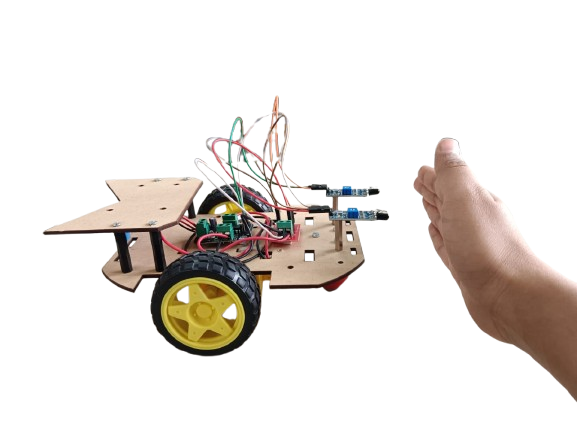
The basic function of this robot is simple, it follows object. It goes forward as you go forward; goes backward as you go backward; turns left/right as you turn left/right.
₹1,250.00 -

The term photo maniac implies attraction towards light. These robots actually follow the light using a set of sensors which are also called positive prototroph.
₹1,250.00 -

Photo phobic robot will sense the light and will try to move away from light. On the contrary photo phobic is exactly opposite where it does not follow the light or more precisely it avoids and goes to places where there is less light
₹1,250.00