


Temperature and Humidity Monitoring System


In Stock
A Temperature and Humidity Monitoring System using Arduino and a DHT11 sensor that measures and displays real-time temperature and humidity data on the serial monitor.
Description
The Temperature and Humidity Monitoring System uses an Arduino and a DHT11 sensor to measure environmental temperature and humidity levels. The DHT11 sensor collects real-time data and sends it to the Arduino, which processes the data and displays the temperature (in °C) and humidity (in %) on the serial monitor. This system is useful for environmental monitoring, home automation, and weather forecasting applications.
-
 ₹3,310.00
 -
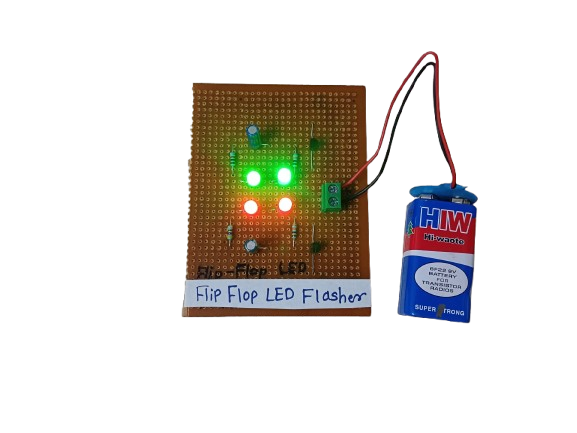
A Flip-Flop LED Flasher is a simple electronic circuit that alternately turns two LEDs on and off in a continuous loop, creating a blinking or “flashing” effect. It’s commonly built using transistors, resistors, capacitors, and LEDs, forming an astable multivibrator — a basic circuit that oscillates between two states without any external triggering.
It’s often used for decoration, indicators, or learning basic electronics.
₹175.00 -

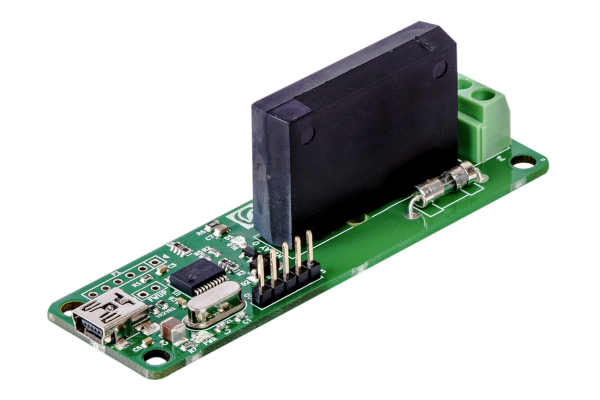
For Numato Products Price details/ quotation please mail your requirements on dolphinlabs17@gmail.com
₹4,245.00 -

An object-avoidance robot is a type of autonomous robot designed to detect and avoid obstacles.
₹1,250.00 -

The Conveyor Belt Object Counter using LDR and 7-Segment Display with the 8051 microcontroller is designed to count objects passing in front of an LDR (Light Dependent Resistor) sensor. The system works by detecting light interruptions when an object crosses the sensor, causing a change in the LDR’s resistance. The microcontroller processes this change and increments an object count. The count is then displayed on a 7-segment display.
-
 ₹5,216.00
Related products
-
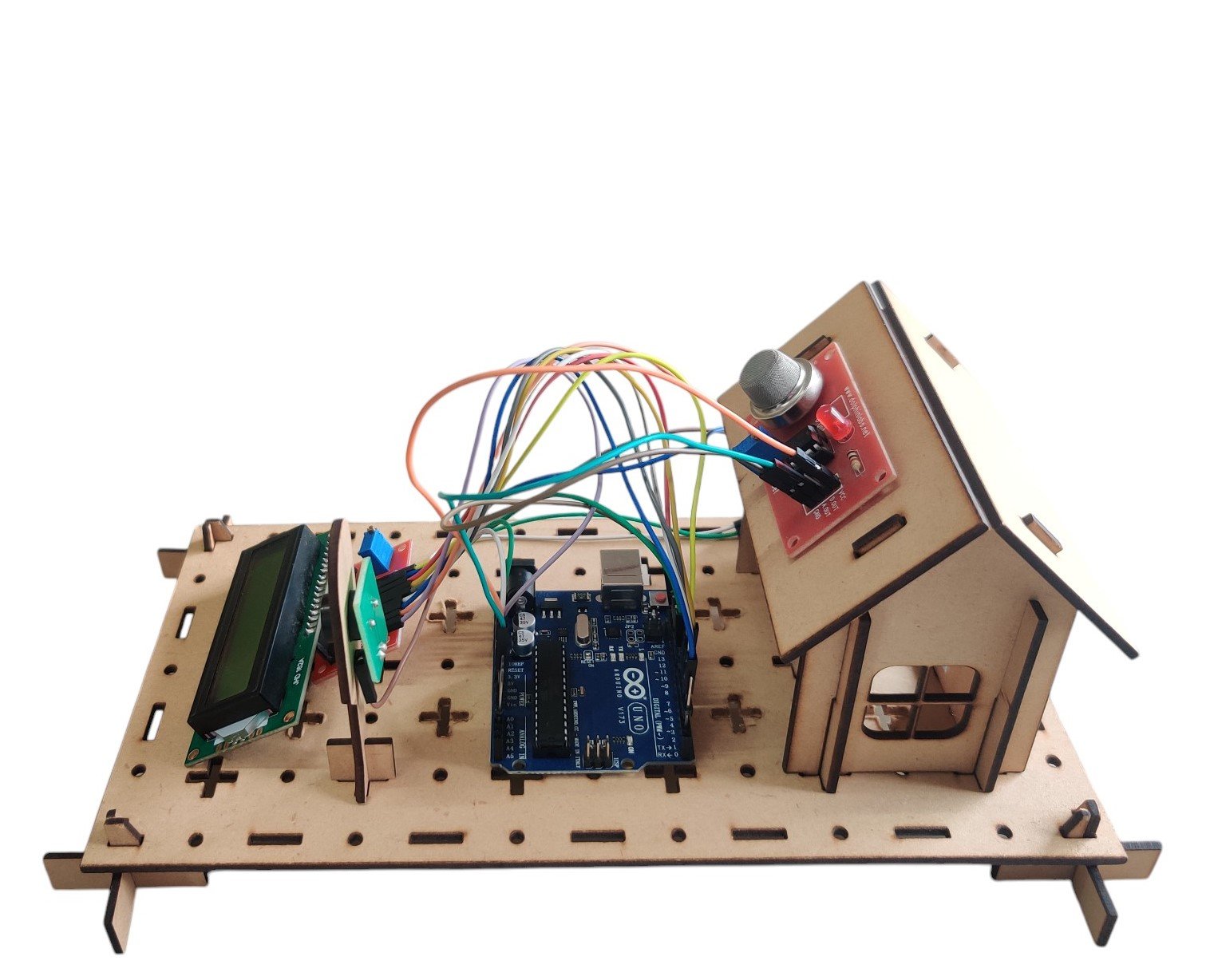
An Arduino-based smoke detection system using an MQ-3 sensor, buzzer, and LCD display to alert users when smoke or harmful gases are detected.
₹1,450.00 -
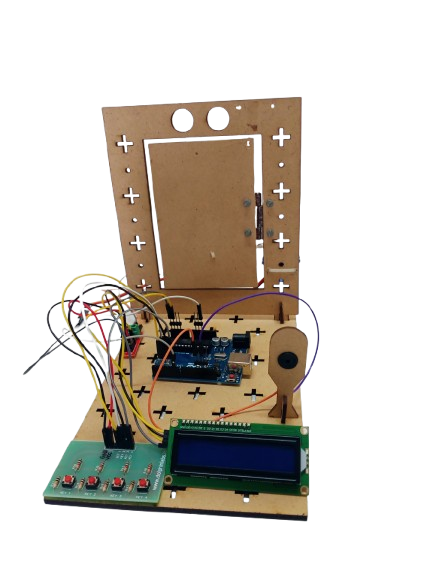
A Digital Lock System is an electronic security project designed to control access using a password entered via a keypad. It utilizes an Arduino, keypad, LCD, servo motor, and buzzer to provide a safe, automated locking mechanism. When the correct password is entered, the lock opens; if the wrong password is entered, an alert is triggered. This project is widely used in home security, lockers, safes, and access-controlled systems.
-

A Ultrasonic Distance Measurement System using Arduino and an ultrasonic sensor that calculates the distance of an object based on the reflection time of ultrasonic waves and displays the result on the serial monitor.
-
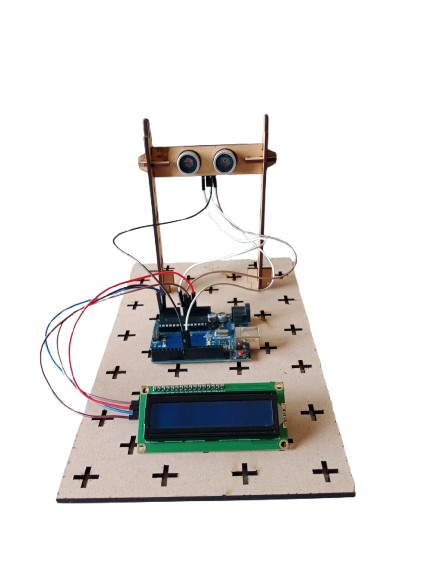
A digital ruler is an electronic measuring device that provides precise measurements of length, width, or depth. Unlike traditional rulers or tape measures, digital rulers use sensors and electronic displays (often LCD or LED) to show measurements accurately, usually in both metric (mm/cm) and imperial (inches) units. They are widely used in engineering, design, woodworking, tailoring, and education where precision is critical.
-

A Tank Overflow Indicator using Arduino, a water sensor, and a buzzer that alerts the user by buzzing when the water tank overflows.
-
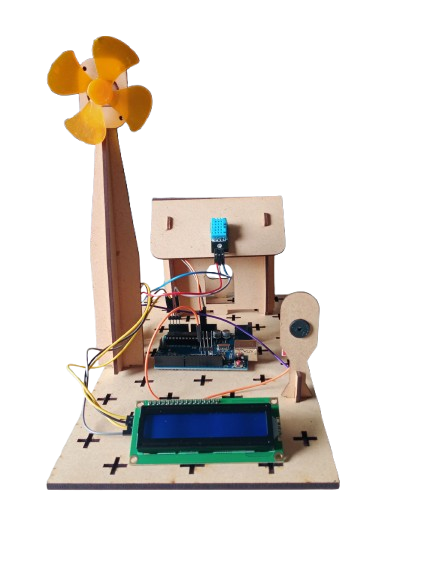
An Automatic Room Cooling is an electronic system designed to maintain a comfortable room temperature automatically. It uses a DHT11 temperature sensor to monitor the room, a DC fan for cooling, an LCD to display real-time data, and a buzzer to provide alerts. The system activates the fan automatically when the room temperature exceeds a set threshold, making it an efficient solution for homes, laboratories, and small offices.

